
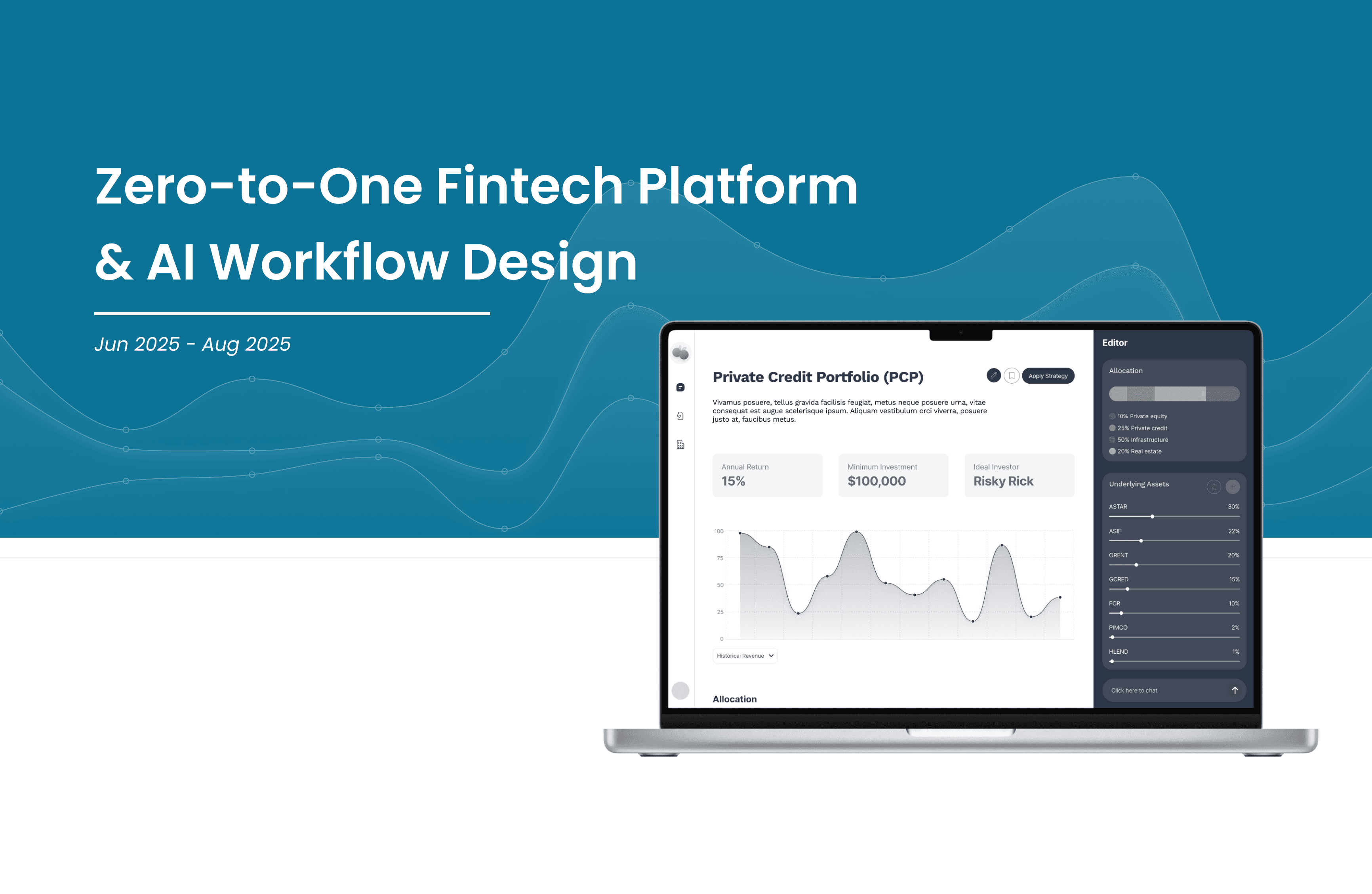
This case study is protected under an NDA. Confidential and proprietary details have been removed or anonymized to protect client information. For more information, please contact godhani25shreya@gmail.com
Founding Product Designer
Fintech
Jun - Aug 2025
Figma, Miro, Synthetic Users
XYZ Financial
A fintech startup aiming to transform how financial advisors invest in both traditional and alternative assets.
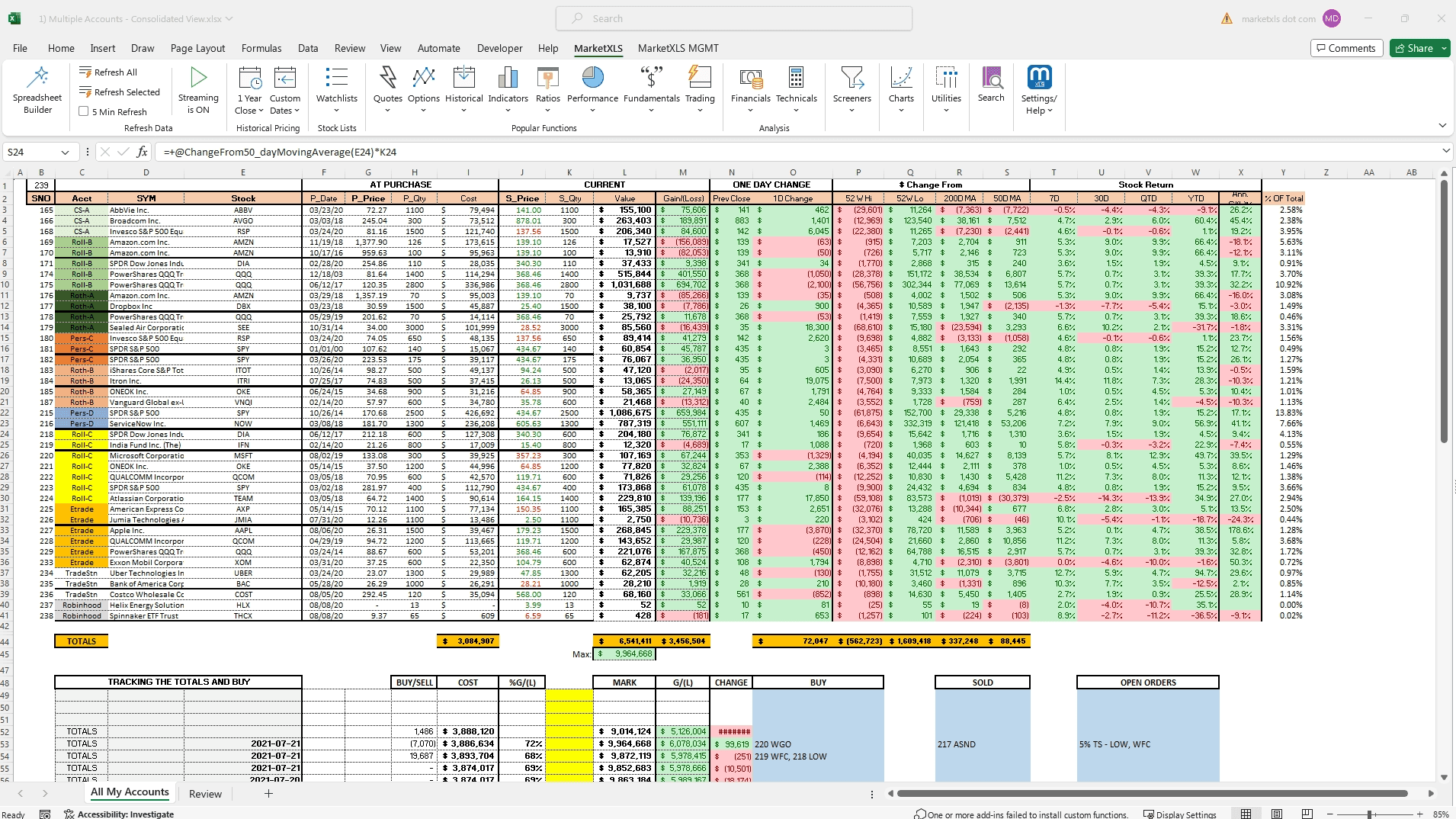
Current tools are outdated and create friction
As the founding product design intern, I consulted XYZ from day one — no product, no brand, no users — and took ownership of everything from product strategy and research to UX design, branding, and tone of voice.
In a short period of time, I built the foundation for their first prototype, now being used in investor pitches and development planning.
Discovery
While I was on a short timeline, I needed to gain an understanding of the investment industry and current pain points.
CO-DESIGN WITH SYNTHETIC USERS
Data highlighted current challenges but wasn't forward thinking
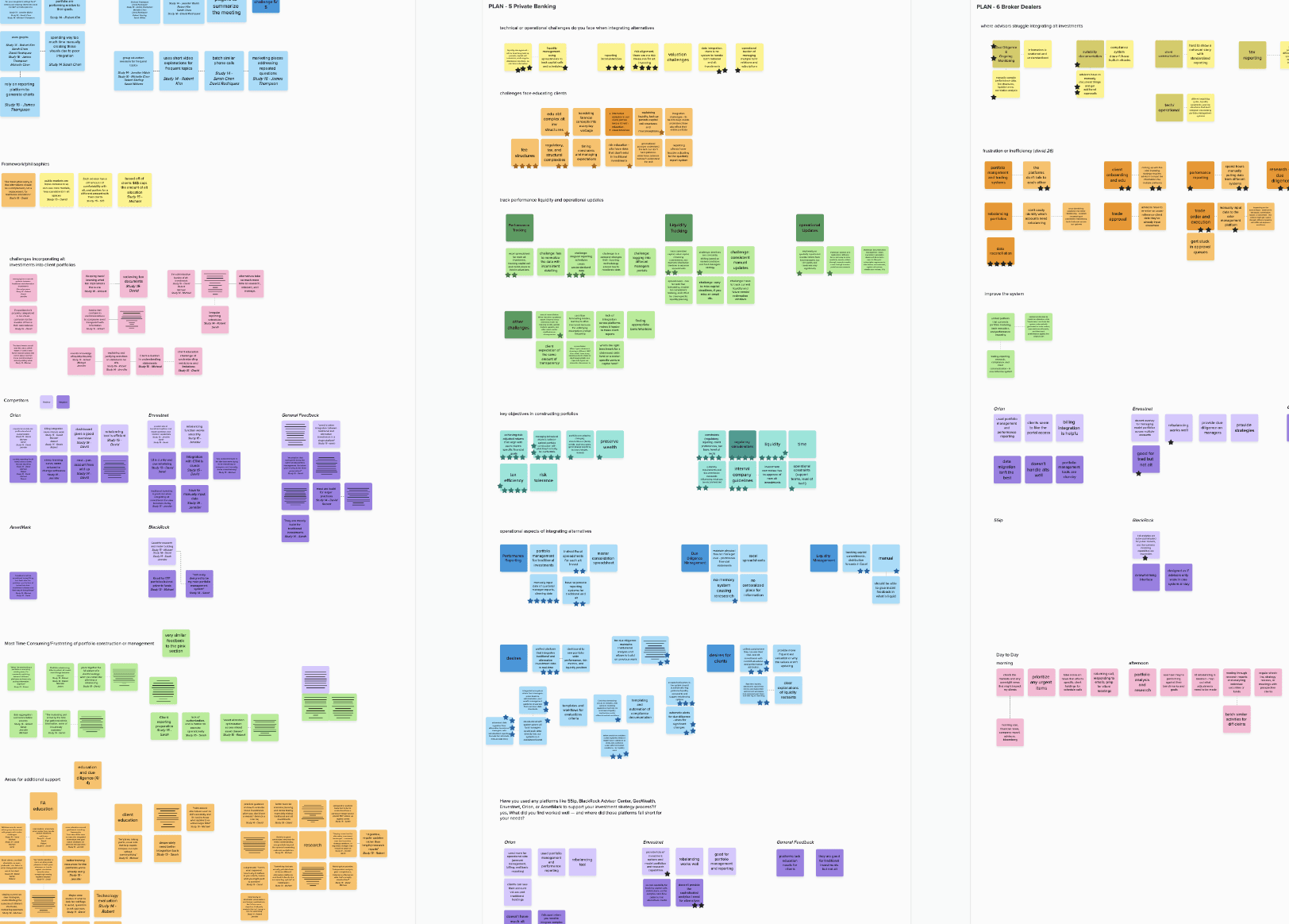
I began with conducting a co-design with synthetic users, which used large language models to simulate interviews with financial advisors. This helped understand more about the investment industry while, uncovering key pain points across RIAs, private bankers, and asset managers:

Manual rebalancing and due diligence
Difficulties in matching portfolios to client goals and personalities
No centralized space for experimentation or education
Lack of integration between advisor tools
While helpful, I realized synthetic feedback reflected the current state, and not the future I wanted to help create.
PIVOT
Instead of improving on outdated systems, I started from scratch and asked, “What would this look like if we built it today?”
Defining the Core Product
After identifying user pain points, the founders and I narrowed the product's key services and features. From there, I moved into ideation and iteration, progressing from initial sketches to a mid-fidelity prototype.

Rebalancing Portfolios
Manual and time-consuming processes for users.
How I addressed this:
By auto-flagging accounts, suggesting tax-efficient trades, and integrating liquidity alerts, the rebalancing process is reduced from days to just a few clicks.

Portfolio Building
Client information is scattered across platforms, and varying client goals make accurate portfolio simulations difficult
How I addressed this:
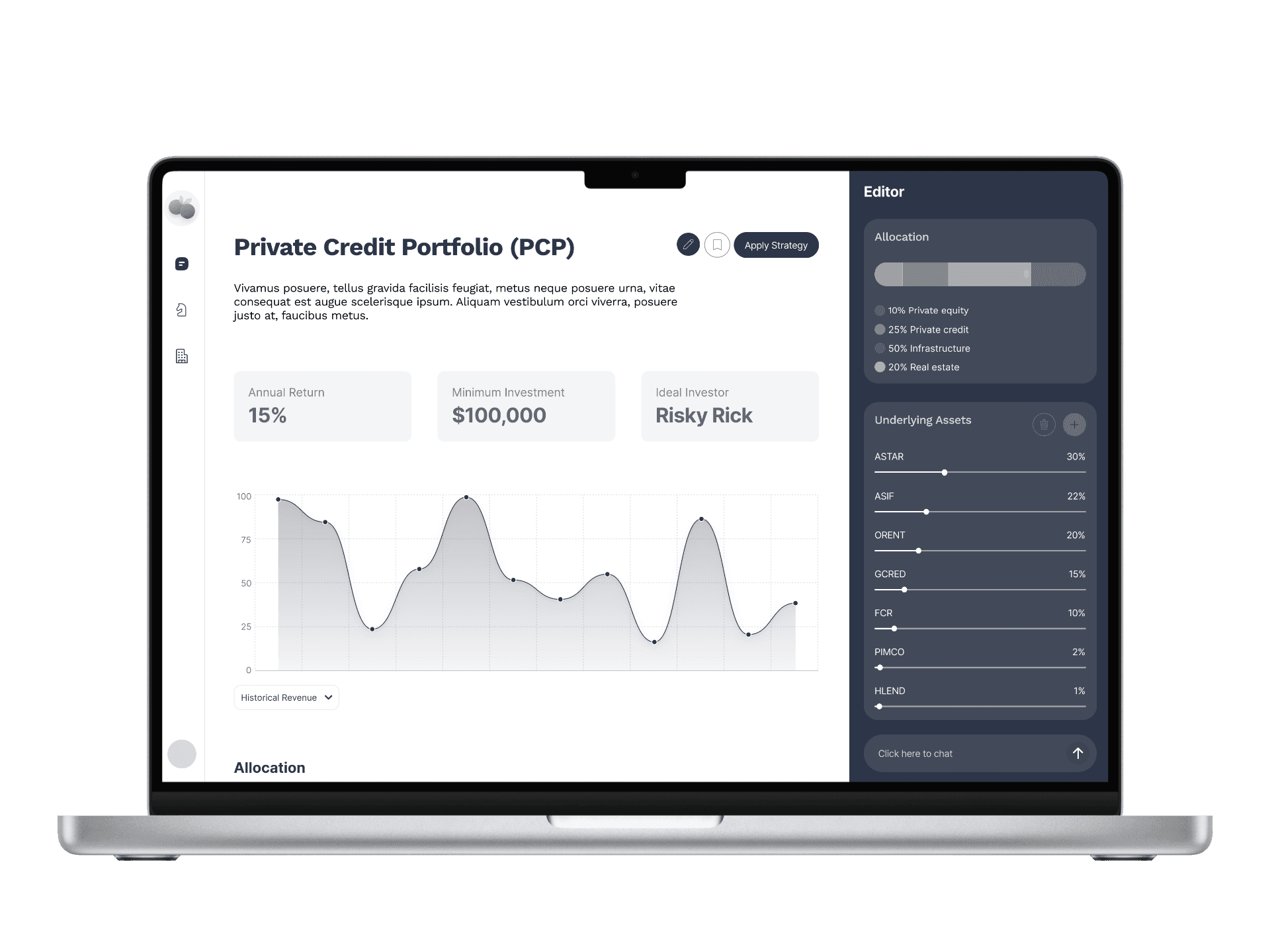
An AI-powered chat lets users build goal-based strategies by experimenting with personas like Risky Rick or Nervous Nelly or using a client's profile. This interactive approach personalizes options and speeds up portfolio creation.

Exploring and Customizing Strategies
No way to compare or edit strategies in real time
How I addressed this:
Integrated interactive visual tools that simulate allocation changes and display instant feedback on liquidity, risk, and client suitability, supported by AI-driven recommendations.

SKETCHING TO MID-FI
After identifying the product's key features I moved on to ideation and iteration, progressing from initial sketches to a mid-fidelity prototype.
Due to NDA restrictions, I am unable to display further sketches, wireframes, or screens.
Branding Through UX
The company’s name (under NDA) suggested something small but punchy — a spark of flavor — and I infused that energy directly into the voice. The tone became approachable, clever, and a bit playful, making finance feel fresh.
This translated into product copy like:
“Freshly Ground Updates” for notifications
“Let’s Start Fresh!” when creating a new portfolio
Brand voice wasn’t just copy, it became part of the product experience.
PERSONALITY BASED METRICS
That same personality-driven approach extended beyond microcopy and into the product’s core strategy tools. I introduced a personality-based strategy system that used client archetypes to guide advisors. The archetypes helped them:
Match strategies to different client types
Create a shared internal language
Model client tolerance to personalize portfolios
Benchmark performance not only against markets but also against human behaviors
For example, risk dashboards displayed both industry benchmarks and archetype suitability, bridging data with empathy.
Reflection
Through this experience, I worked across product design, branding, strategy, and functionality, learning how tightly these disciplines are connected in shaping meaningful products.
Working within startup constraints pushed me to approach research more resourcefully. Without funding for traditional user interviews, I learned to test ideas early, gather feedback, and move forward without perfect information. In an environment full of unknowns, I learned the value of taking initiative, designing first, and using constant feedback to find direction rather than waiting for instructions.
Throughout the project, I balanced business goals with user needs, ensuring strategic objectives never compromised clarity, trust, or usability. Working through ambiguity taught me how to create clarity through structure, experimentation, and storytelling. Every decision, from “Freshly Ground Updates” to AI-driven rebalancing, reflected how branding, strategy, and UX came together into a single product experience.
Next time, I would deepen my financial industry expertise and integrate real user feedback earlier and more consistently throughout the process.
